
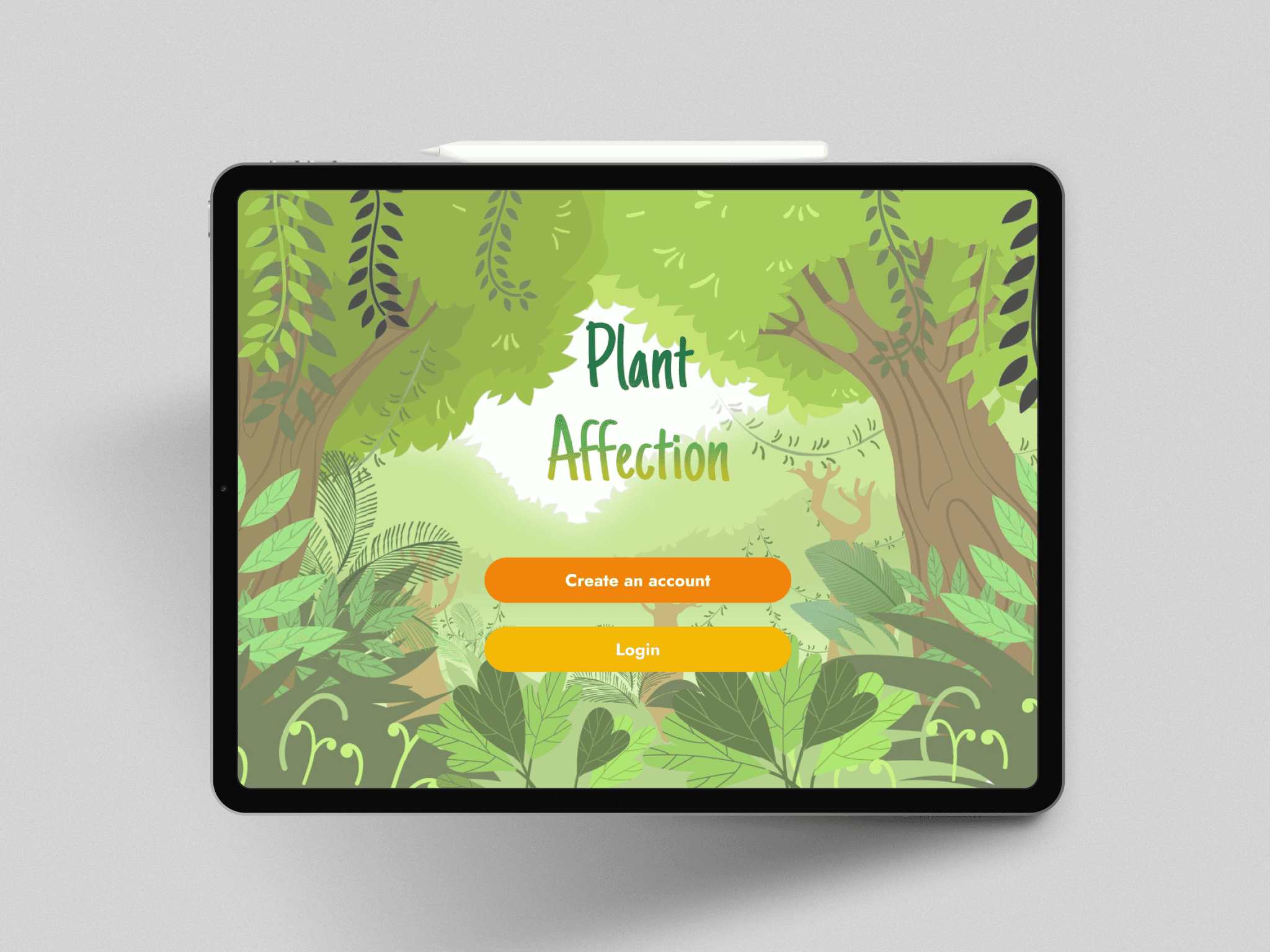
Plant Affection
Interaction Design 1 —— ArtCenter College Of Design
Sep. 2024 - Dec. 2024
Figma • After Effects
Independent
Project Overview
Plant Affection is an interactive app that helps children learn empathy, care, and responsibility by nurturing virtual plants. It turns abstract values into everyday micro-interactions that feel playful and approachable.
Problem
Kids are often told to “be kind” or “be responsible,” but these values stay abstract and hard to practice in daily life. Existing learning tools focus on rules, not on emotional understanding or cause-and-effect.
Solution
Plant Affection lets children care for a virtual plant whose health and mood respond to their actions. Through simple tasks, feedback, and reflection moments, kids see how consistent care, patience, and empathy lead to growth.
Target Audience
Children ages 6–12 who are building social–emotional skills, and parents or educators looking for playful tools to support that growth.
Key Features
Guided Exploration Through Animated Worlds
Each video uses AE-made camera movements and transitions to simulate how children naturally explore different zones in Plant Affection.
Design motivation: Help young users understand “where to go next” through motion cues rather than text instructions.
User value: Navigation becomes intuitive and playful, lowering cognitive load and keeping exploration enjoyable.
Habit-Building Through Visual Feedback
Plants react instantly when children complete tasks—growing, glowing, or changing colors.
Design motivation: Turn routine actions (watering, cleaning, checking status) into emotionally rewarding moments.
User value: Kids build consistent care habits through positive reinforcement, connecting effort with visible growth.
A Rewarding and Immersive
Mini-Game Experience
Using AE’s timing and easing, I recreated the rhythm of completing tasks, unlocking rewards, and progressing through small challenges.
Design motivation: Keep children motivated by making progress feel lively, tactile, and responsive.
User value: Mini-games blend play with emotional learning, helping kids stay engaged while practicing empathy and responsibility.

A.
B.
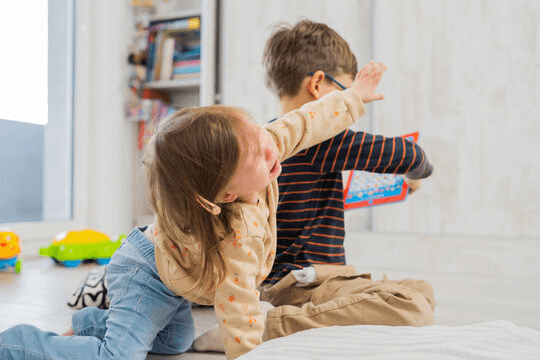
"…but video games often replace family interactions and educational opportunities."

"…communication becomes increasingly difficult, and the child seems to lack the skills to interact with others."
Interviews & Key Insights
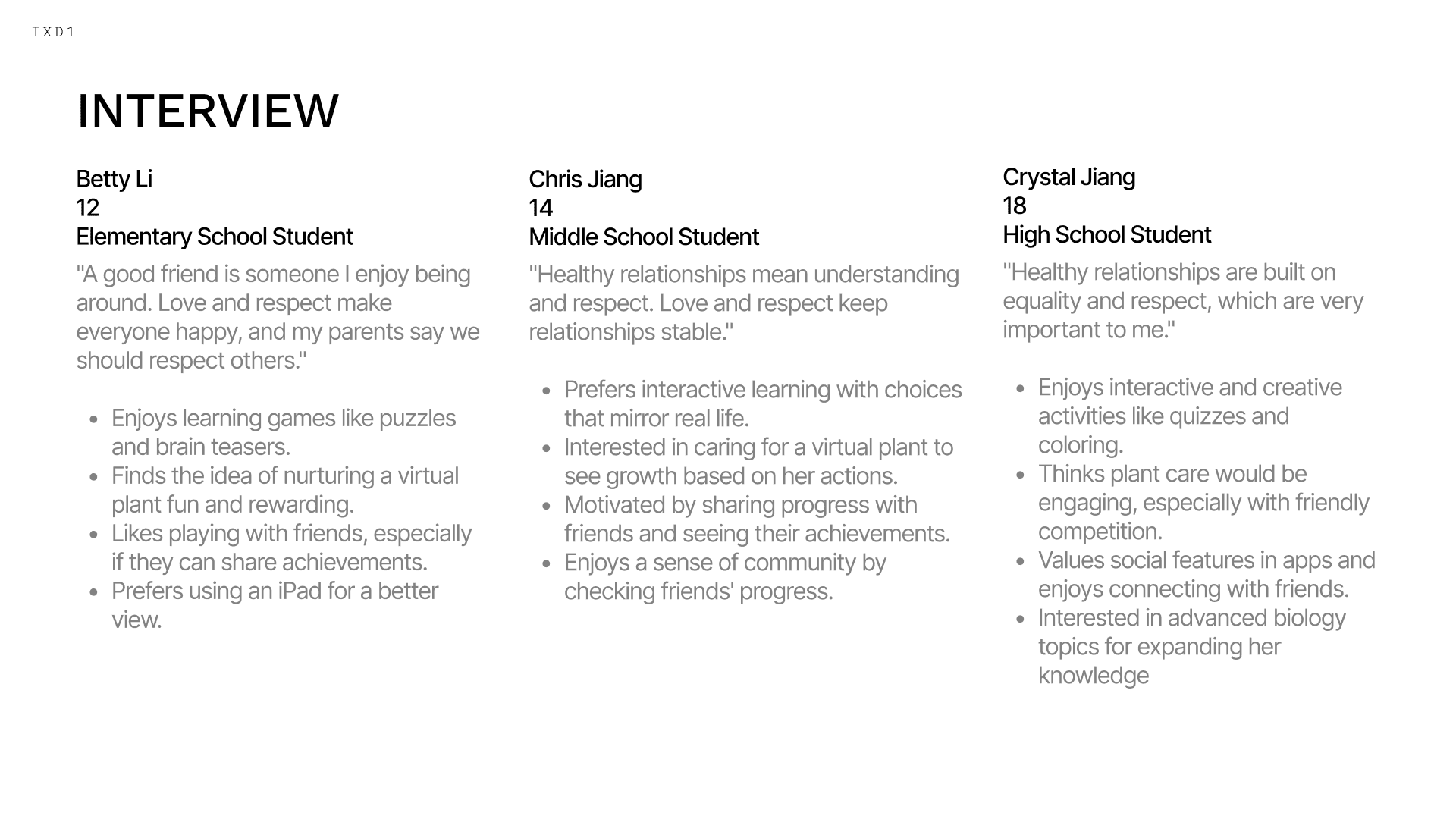
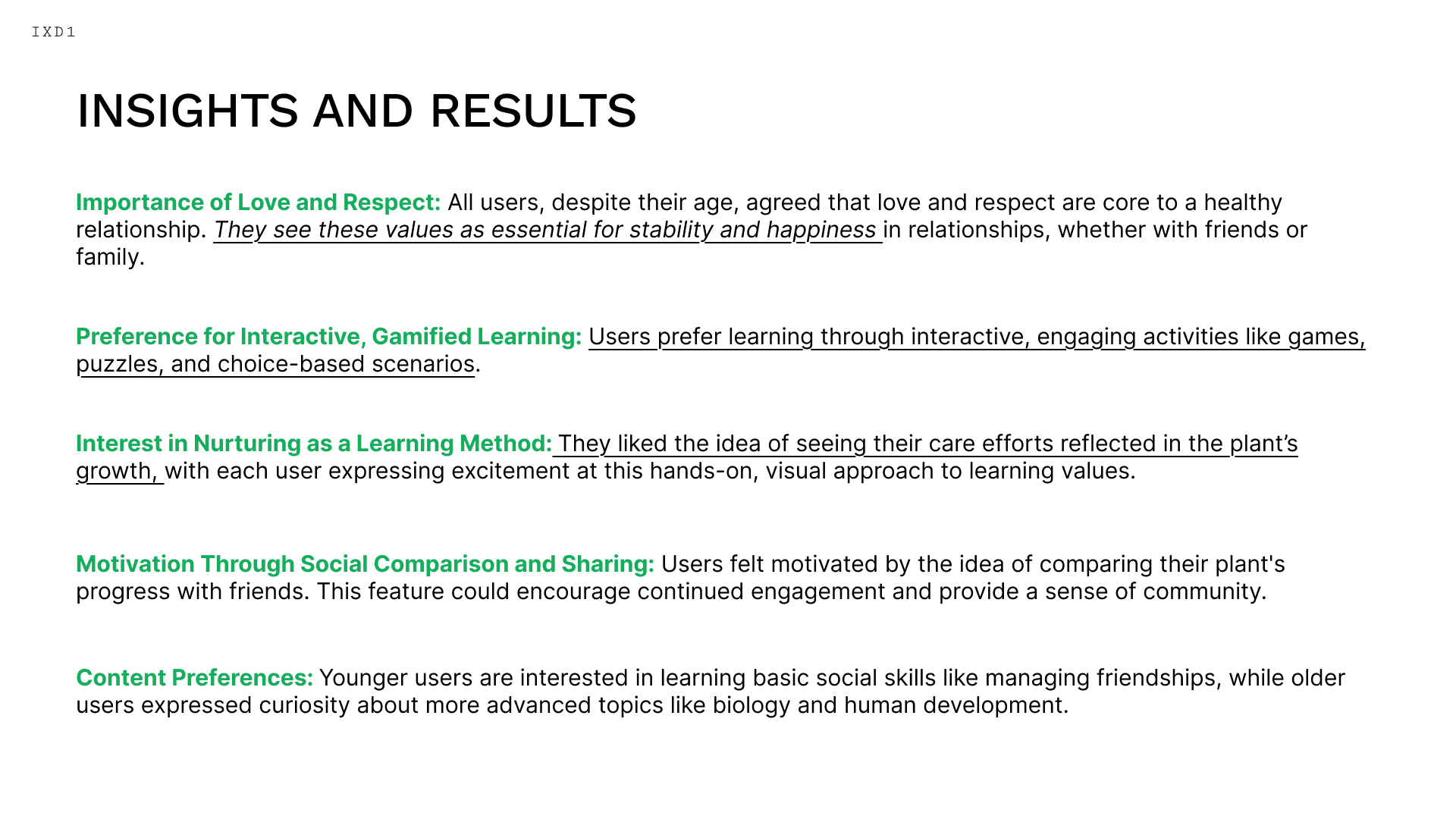
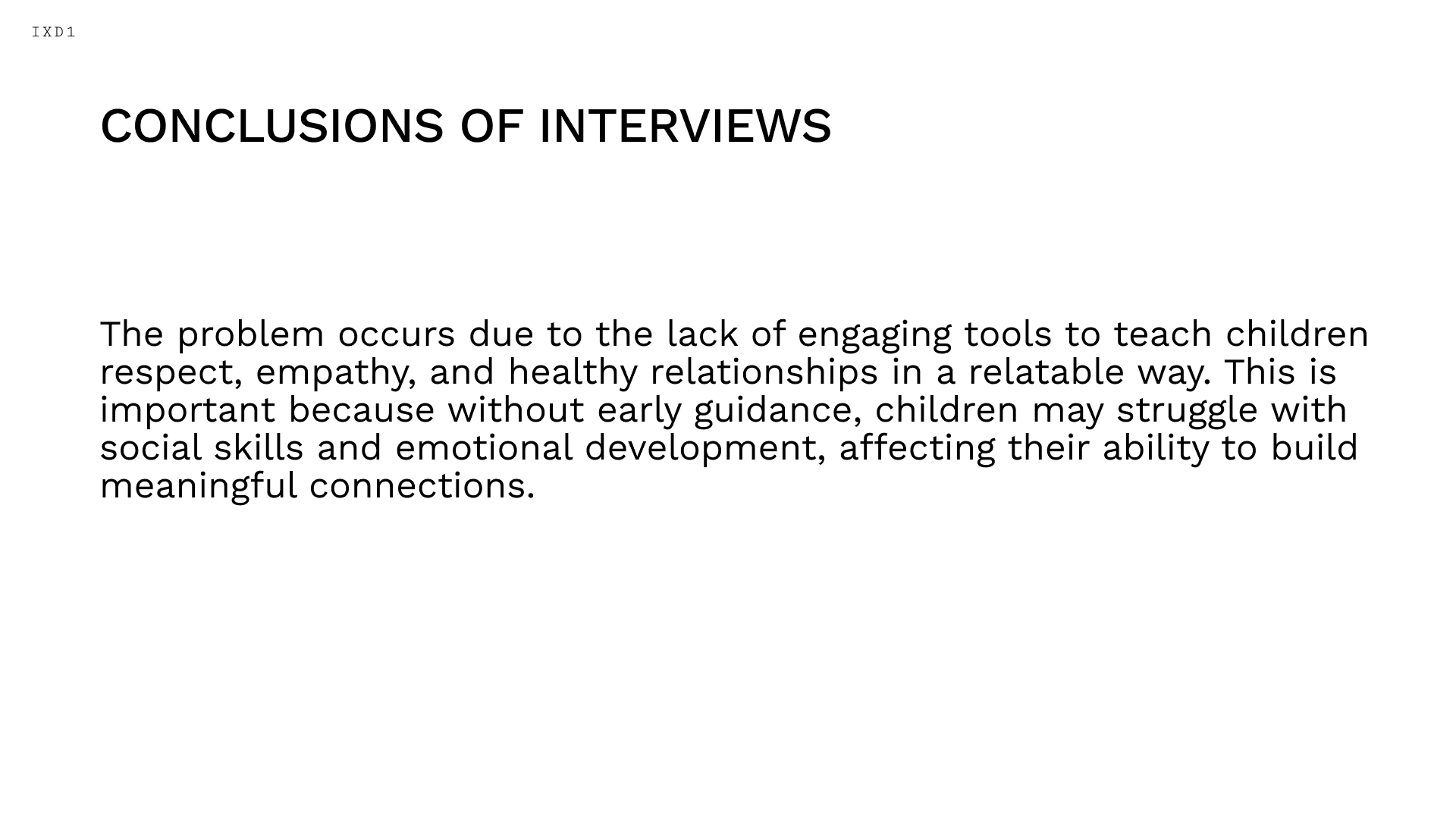
To understand children’s real needs, I interviewed parents from different age groups. Their feedback revealed a clear pattern: children struggle with expressing emotions and building healthy relationships, yet they learn far better through play rather than passive instruction.
These conversations highlighted a shared desire — kids want interactive, nurturing experiences. This directly shaped the direction of combining a plant-care system with a playful game world, allowing emotional learning to happen naturally during play.
Competitive Analysis & Opportunity
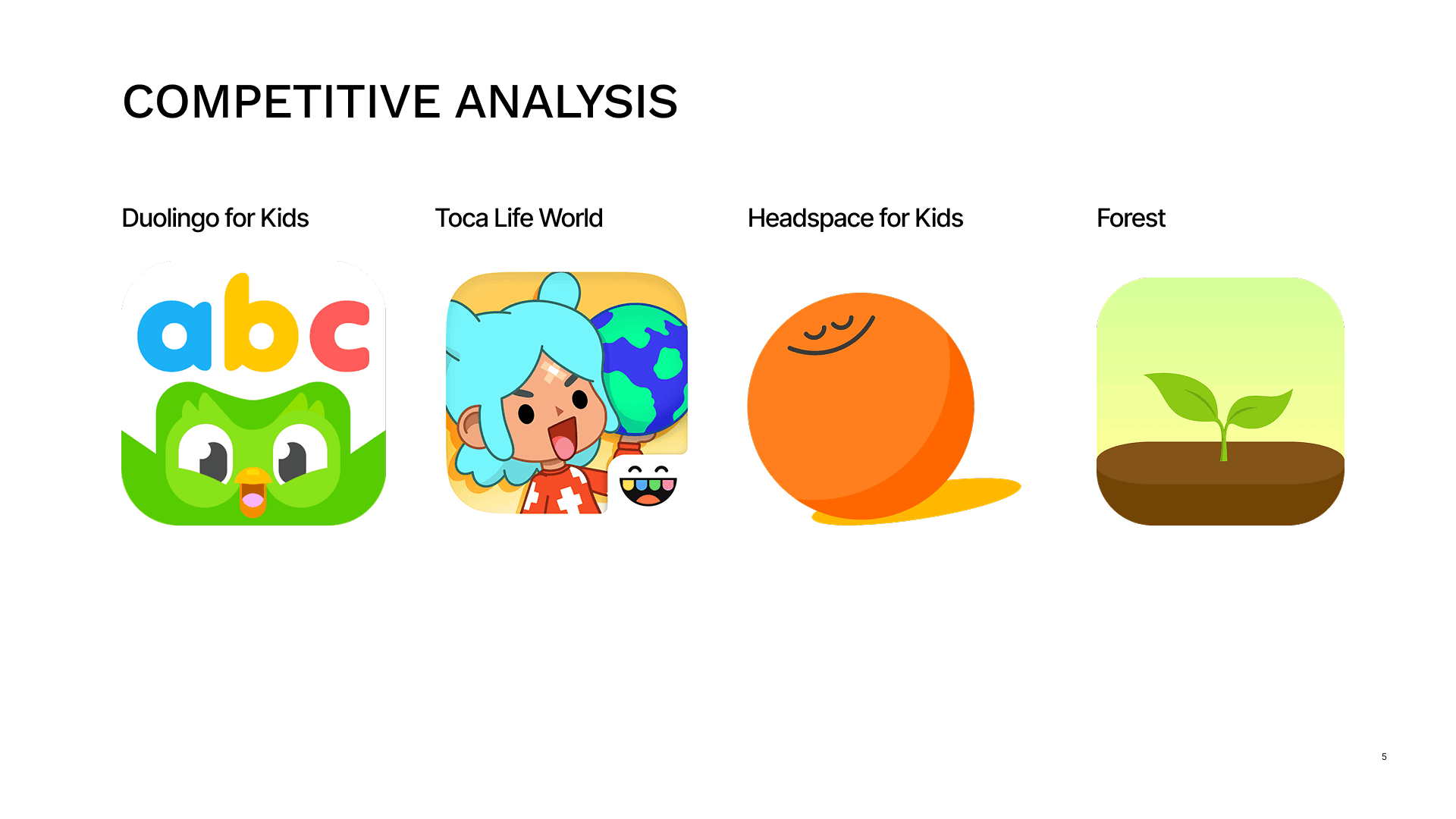
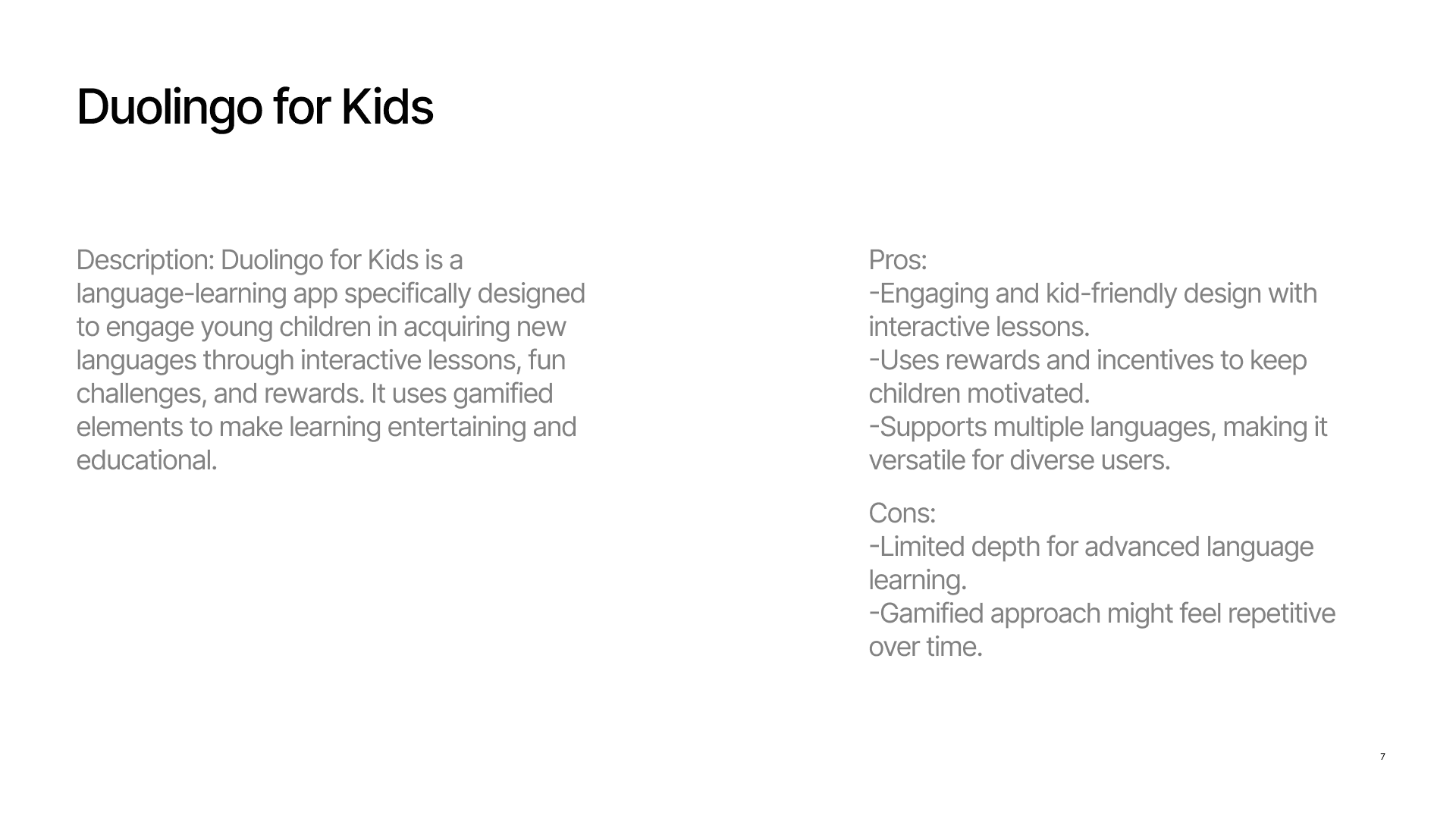
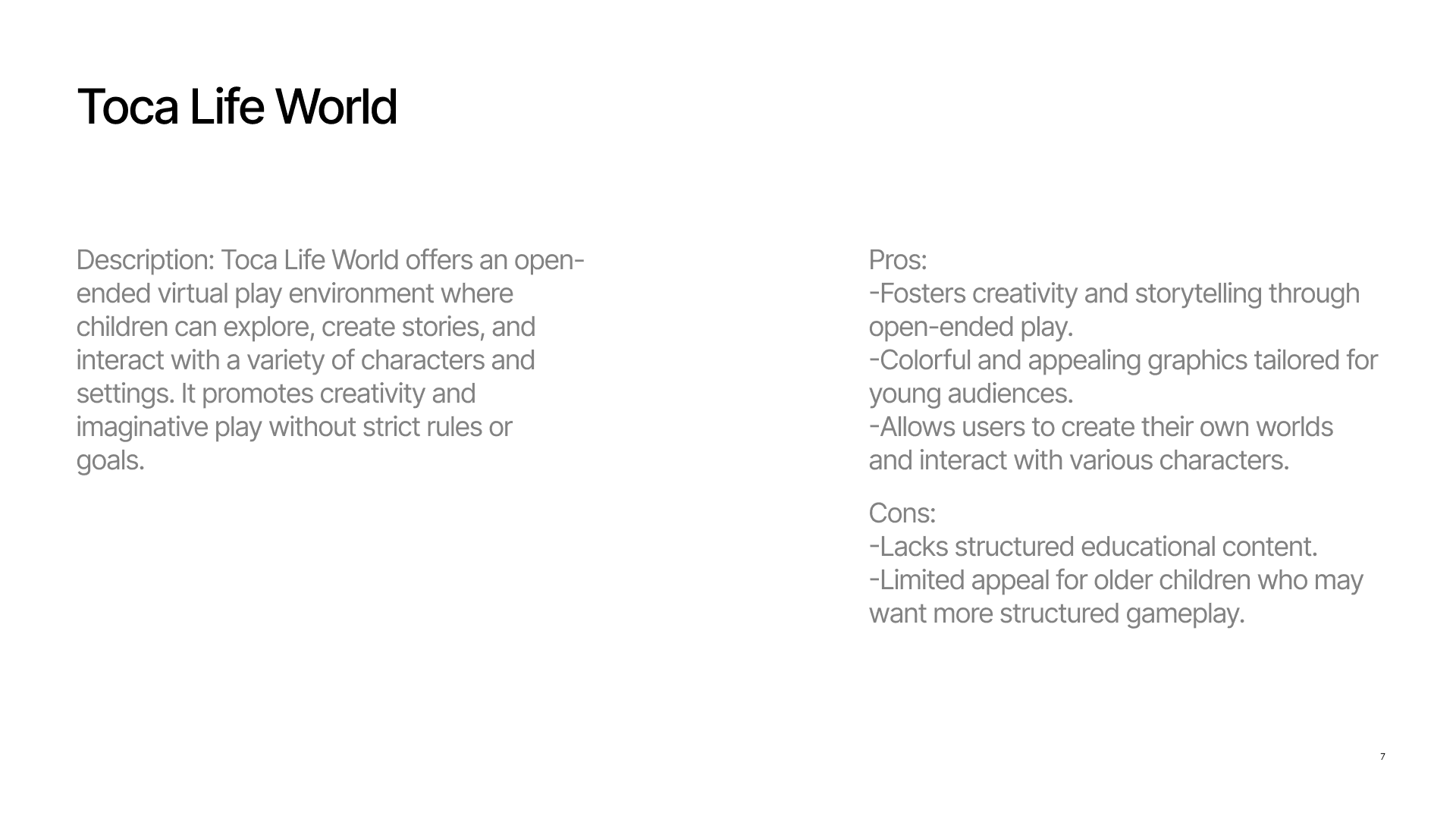
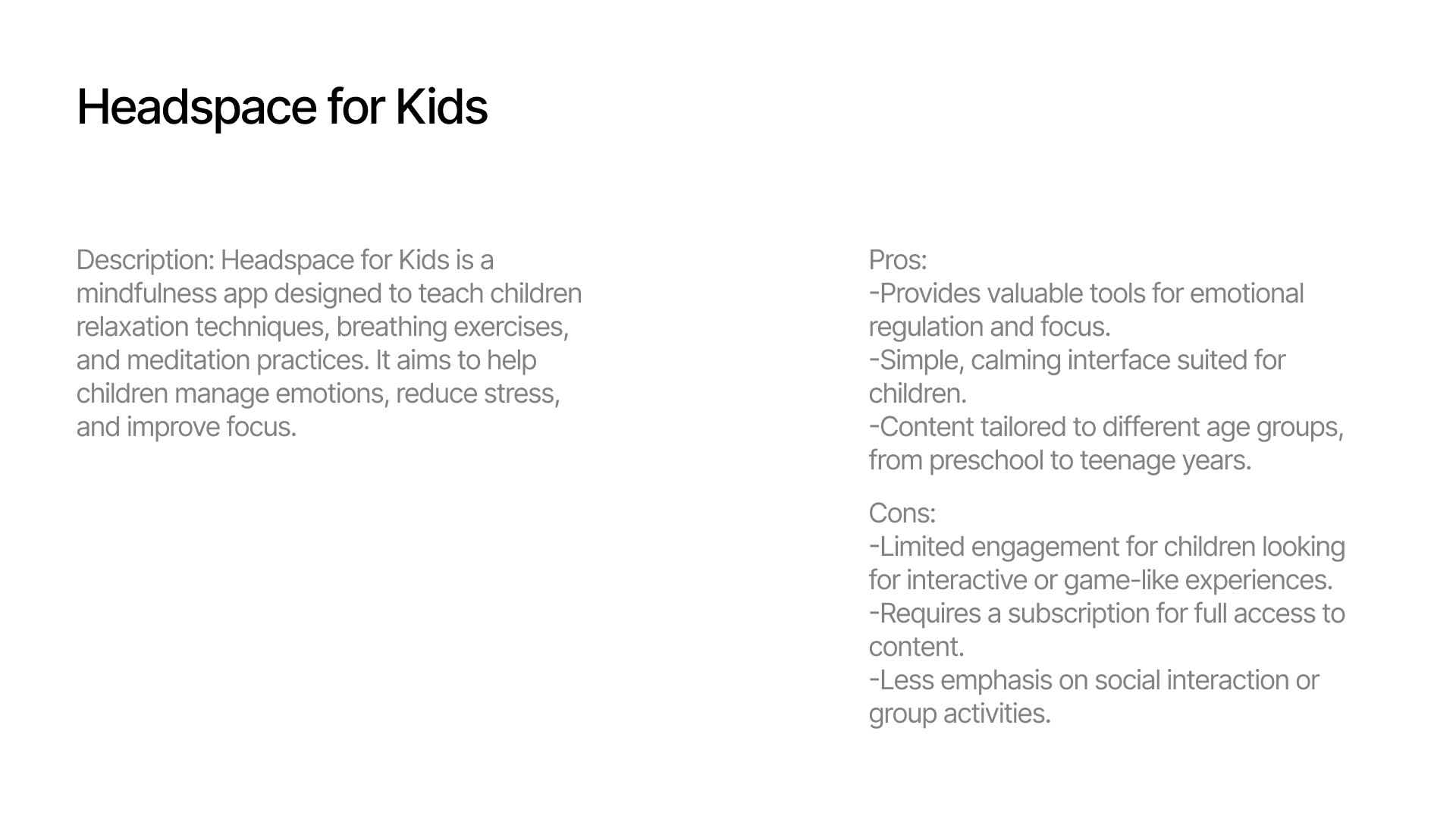
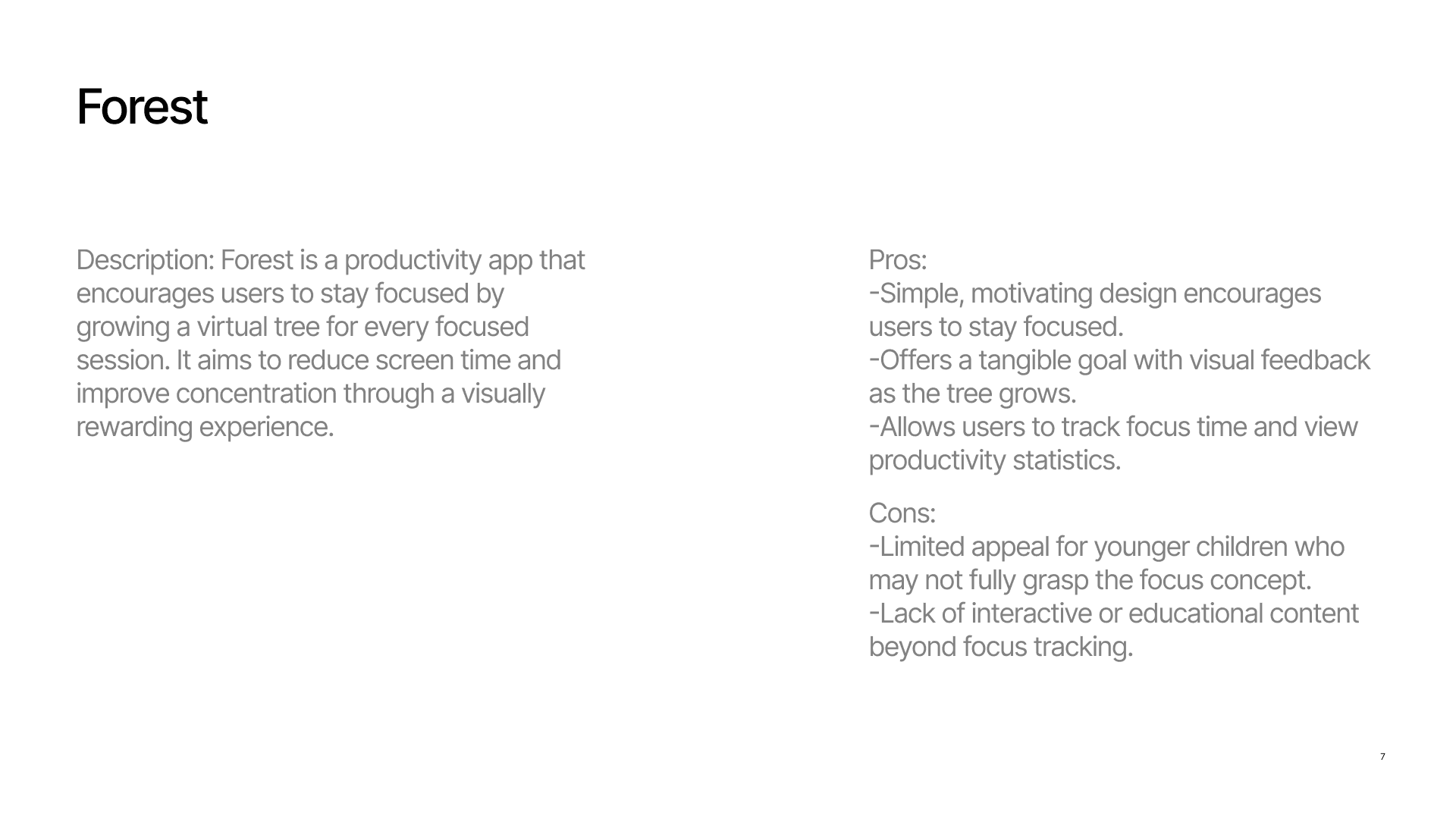
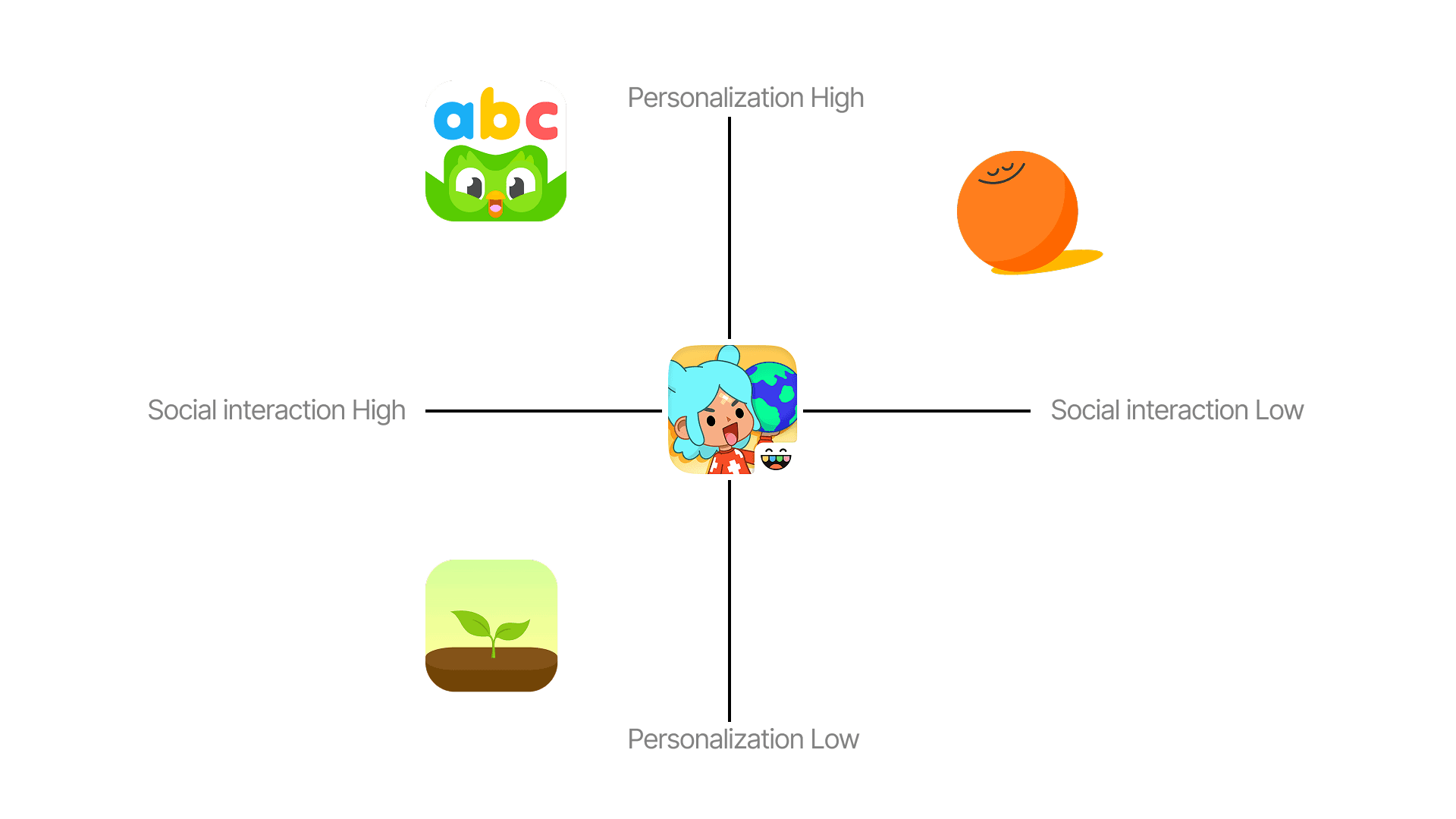
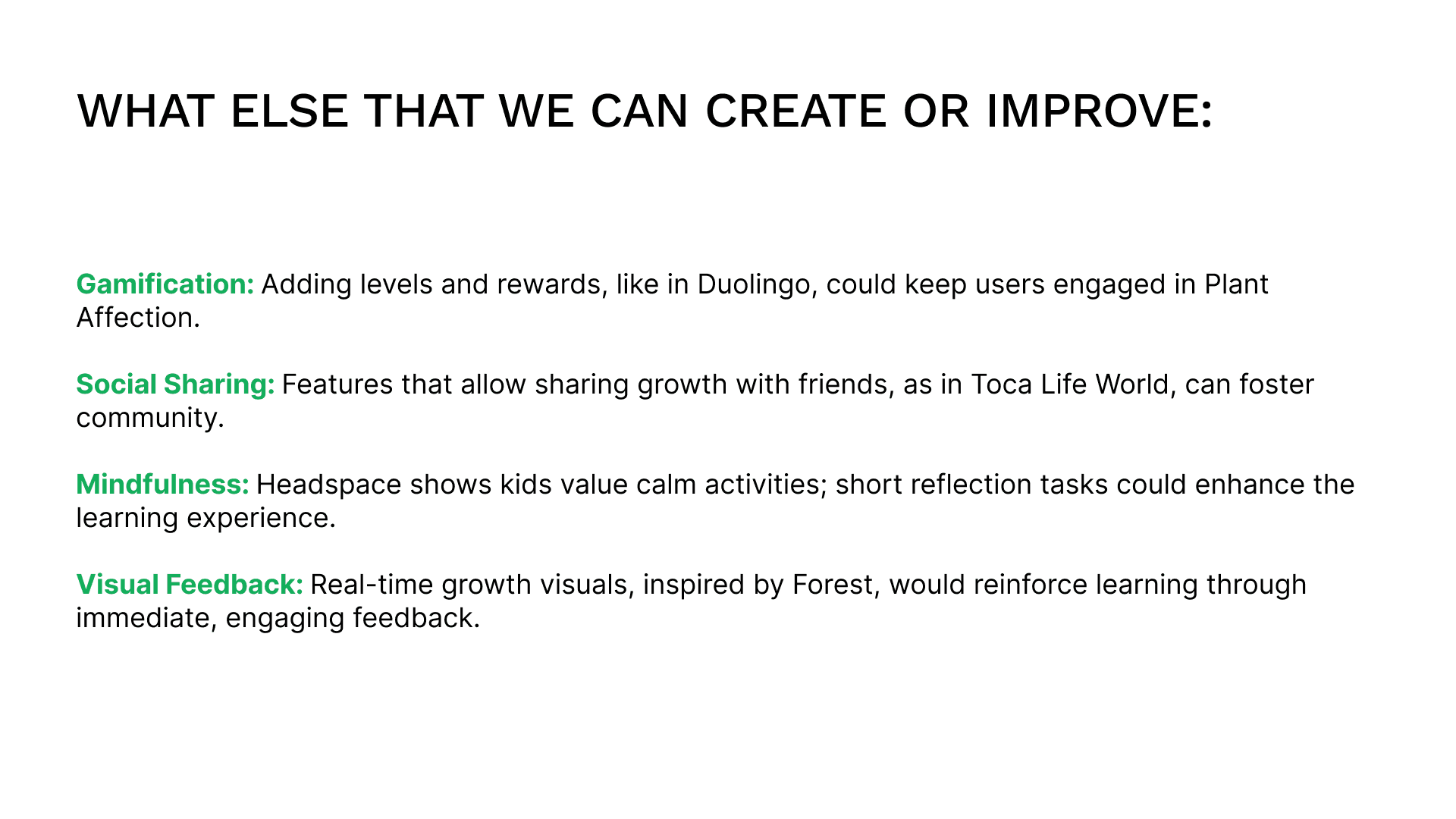
By reviewing apps like Duolingo Kids, Toca Life World, Headspace for Kids, and Forest, I identified three effective patterns: gamified motivation, continuous visual feedback, and clear cause-and-effect cues that show kids how their actions create change.
At the same time, I noticed a gap — few apps truly focus on emotional and relationship learning. This became the core opportunity that shaped Plant Affection.
Information Architecture
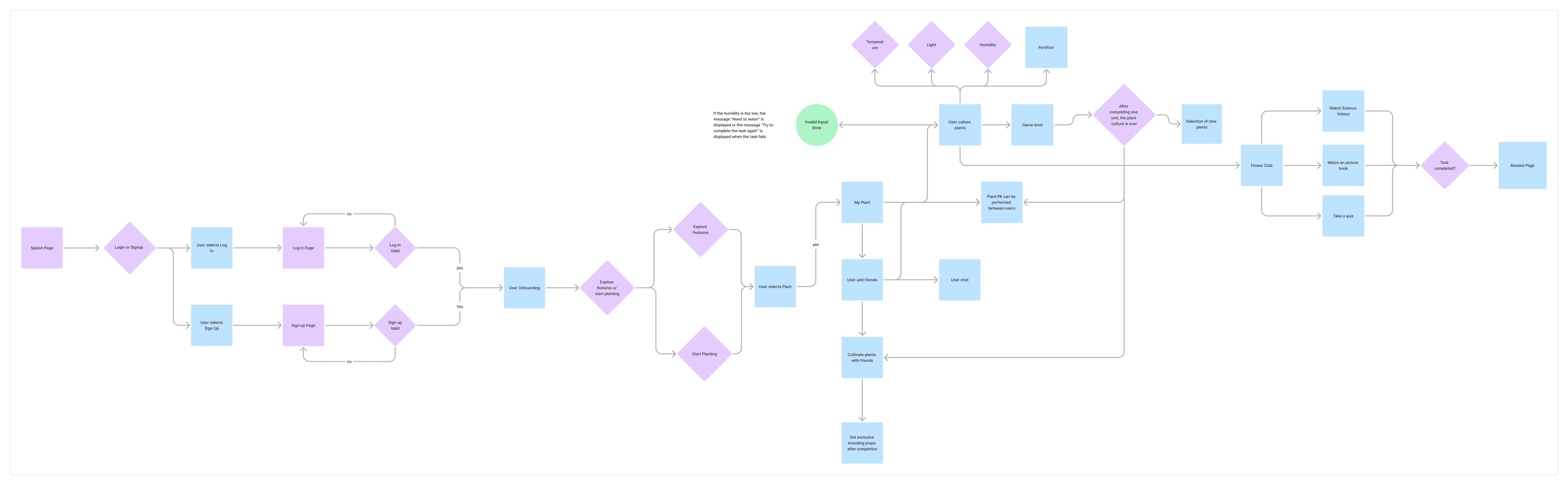
I created a detailed information architecture to map how children and parents move through Plant Affection—from onboarding and plant selection to learning modules, mini-games, and profile management.
Final Screens
These final screens present the polished visual system of Plant Affection
Poster
A final promotional poster summarizing the core experience and visual identity of Plant Affection.

Reflection
As my first interaction design project at ArtCenter, Plant Affection helped me build a clear sense of product structure and interaction logic, and it pushed me to quickly get comfortable with Figma’s workflow and collaborative tools.
Looking back now, I can see that many aspects of the flow—such as task branches, edge cases, and a more complete growth cycle—were still underdeveloped.
If I had the chance to iterate further, I would refine the system more holistically and strengthen the entire experience loop.